What twist-and-go means
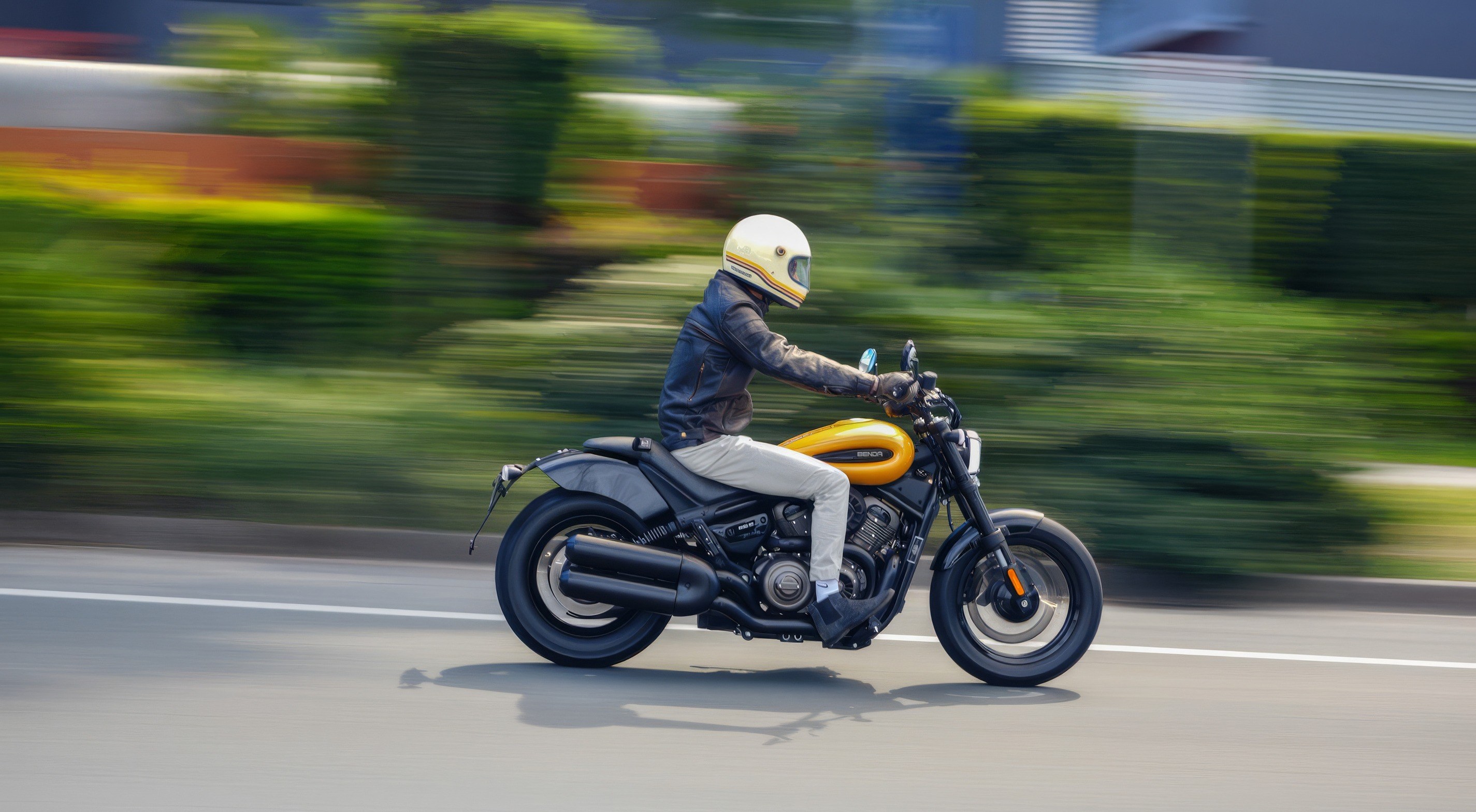
A twist-and-go bike uses a CVT (continuously variable transmission) automatic gearbox. There is no clutch lever and no gear pedal: you twist the throttle to go and use the brakes to stop. Scooters have worked this way for decades, and some cruisers now do too.
Why learners like it
- Nothing to stall: no clutch control to master at the lights or on a hill start.
- Less to think about in traffic, so more attention goes on the road.
- Smooth, predictable power delivery at low speed.
What to weigh up
- Licence conditions: in some states, passing your test on an automatic can limit you to automatics until you are assessed on a manual — check your state’s rules before you book.
- Skills: if you plan to ride a manual bike later, you will still need to learn clutch control.
- Feel: a CVT does not give the same engine braking as a manual, so you rely a little more on the brakes.
Twist-and-go cruisers
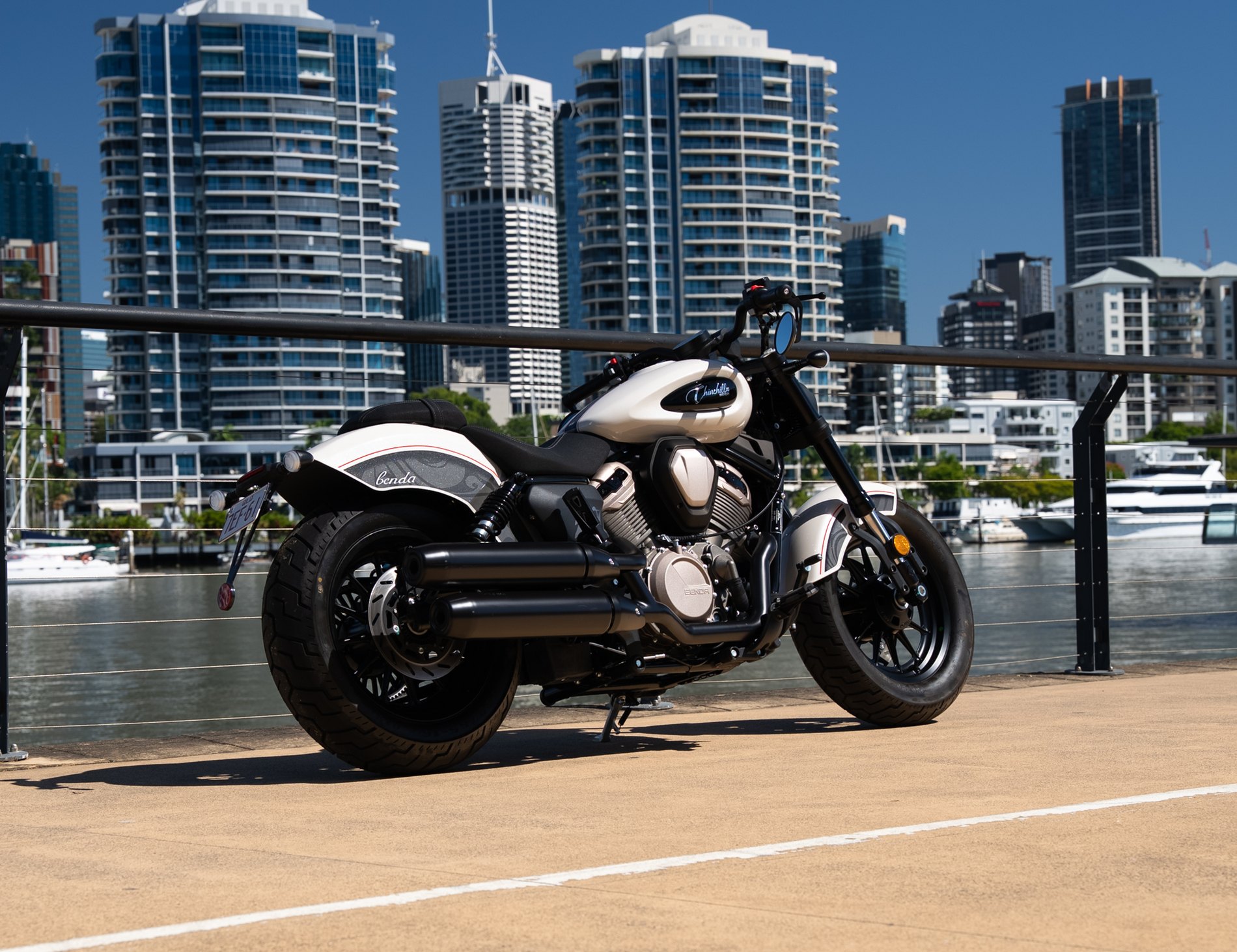
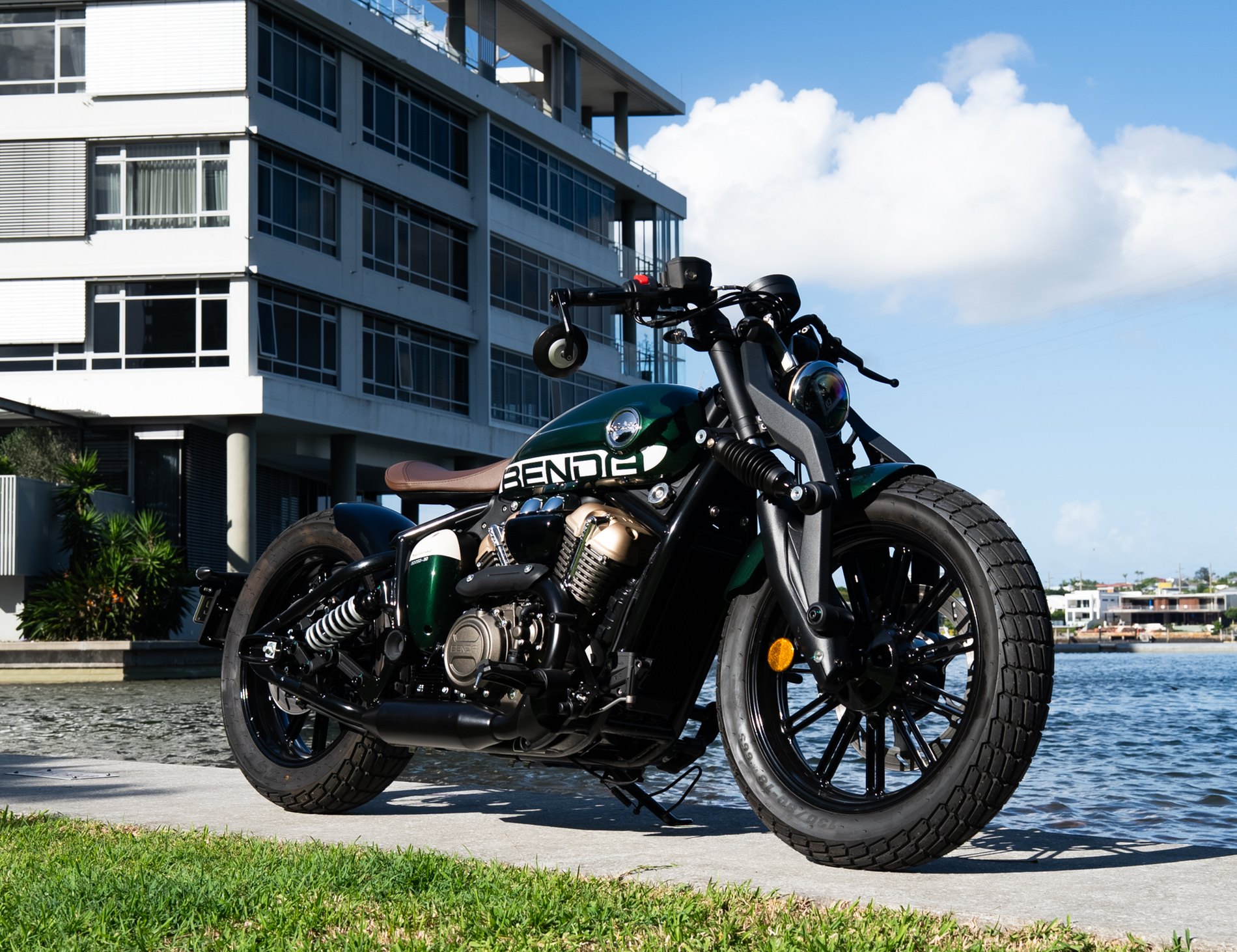
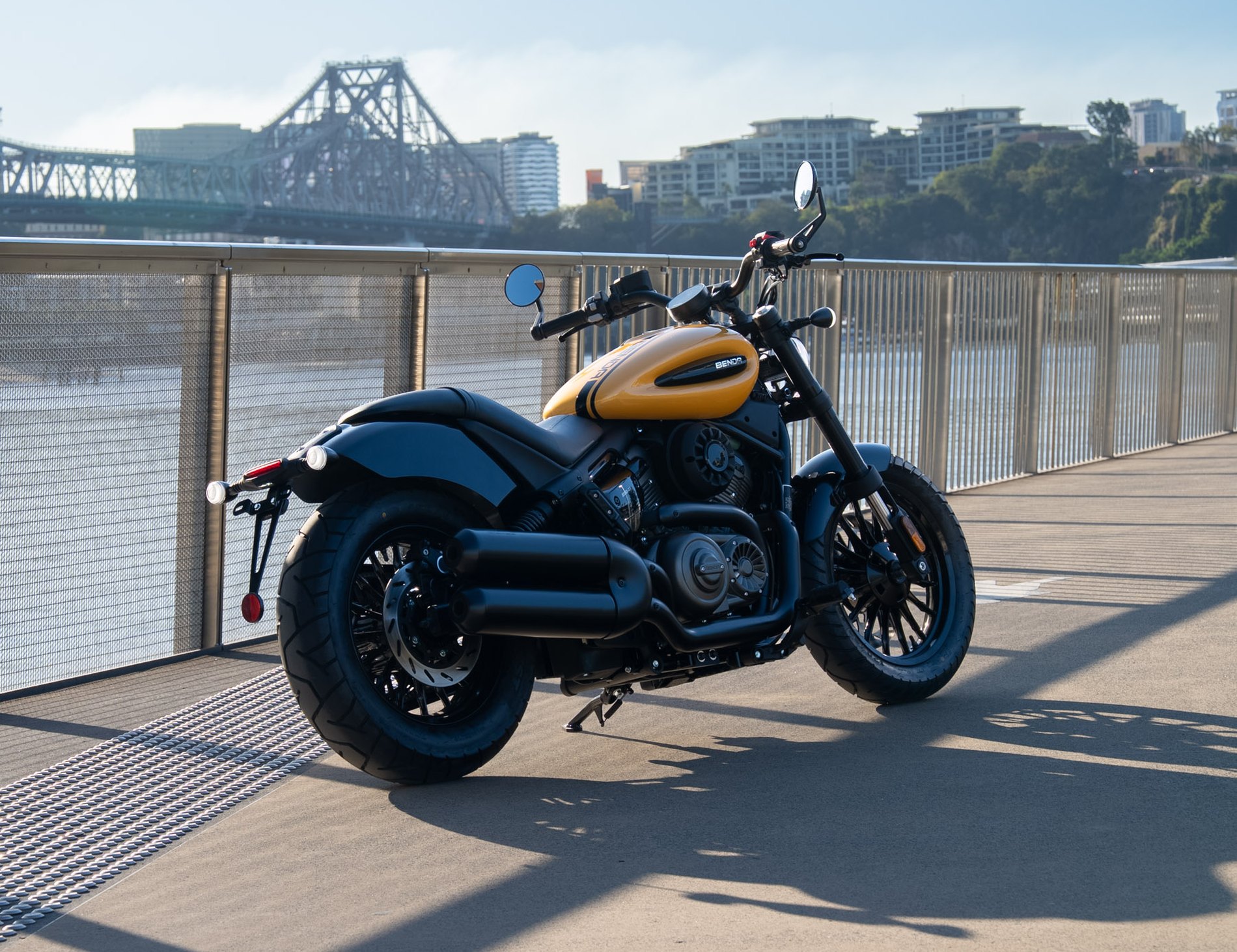
A twist-and-go cruiser combines a low seat and relaxed position with an automatic gearbox — a rare combination, and a very approachable first bike.
| Model | Seat height | Engine | Weight | Price |
|---|---|---|---|---|
| BENDA Chinchilla 350 CVT Neo | 690 mm | 343cc · 25 kW | 195kg | $10,990 ride-away |
Quick answers
Common questions.
What is a twist-and-go motorcycle?
A motorcycle with an automatic (CVT) gearbox and no clutch lever or gear pedal. You twist the throttle to go and use the brakes to stop, like a scooter.
Can I get my motorcycle licence on an automatic?
Usually yes, but in some states a test on an automatic adds a condition limiting you to automatics until you are assessed on a manual. Check with your state’s transport authority before you book your test.
Are there automatic cruisers?
Yes — a few cruisers now use a CVT automatic, combining a low cruiser seat with twist-and-go riding.